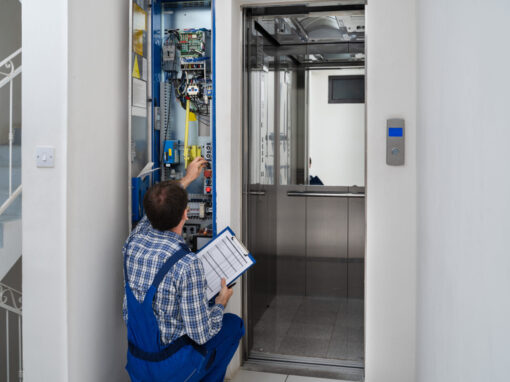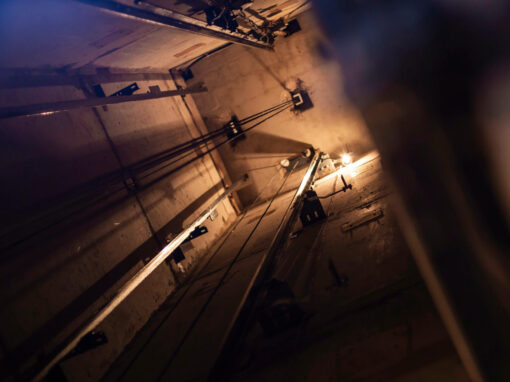
The Americans with Disabilities Act (ADA) sets strict accessibility standards for elevators in commercial, public and certain residential buildings. These requirements ensure that everyone, including people with mobility, vision or hearing impairments, can use your building safely and independently.
Over time, elevator systems can fall out of compliance as codes evolve. Upgrading or modernizing equipment is often the most effective way to bring older elevators up to current ADA standards while also improving reliability, safety and comfort.
What the ADA Requires for Elevators
The ADA Standards, along with the ASME A17.1 Safety Code, define the design and performance features that make an elevator accessible. While the details can be technical, these are the core requirements building owners should know:
- Passenger Elevator Compliance: Only passenger elevators meeting ADA and ASME A17.1 standards can serve as the accessible route between floors. Freight-only elevators do not qualify.
- Accessible Landings & Controls: Call buttons must be within reach range, clearly labeled in tactile characters and Braille and paired with both audible and visual signals to indicate car arrival and travel direction.
- Door Timing & Width: Doors must open to a minimum width (usually 36″ or 42″, depending on configuration) and remain fully open for at least three seconds in response to a call, with reopening devices to prevent closing on passengers.
- Car Dimensions: Cars must meet minimum depth and width requirements to allow wheelchair users to enter, turn and exit, with unobstructed maneuvering space.
- In-Car Controls & Indicators: Buttons must be a specific size, raised or flush, labeled with tactile characters and Braille and positioned for accessibility. Floors must be announced audibly and visually.
- Emergency Communication: Two-way communication devices must be easy to locate, activate and understand, with both visual and audible confirmation that help has been contacted.
Because requirements can vary for new installations, alterations and limited-use elevators, building owners should review their systems regularly to ensure ongoing compliance.
Risks of Non-Compliance
Failing to keep your elevators ADA-compliant can create problems that extend far beyond code violations. Building owners and managers should consider these risks:
- Legal Penalties & Lawsuits: Non-compliance can result in costly fines, enforcement actions and legal claims under the Americans with Disabilities Act. Lawsuits can also lead to expensive settlements and ongoing legal fees.
- Passenger Safety Hazards: Outdated or non-compliant elevators can increase the chance of injury or entrapment, especially for passengers with mobility, vision or hearing impairments.
- Reputation and Tenant Impact: A building that fails accessibility requirements can damage its reputation, frustrate tenants, and deter prospective occupants. Dissatisfied tenants may choose not to renew leases, directly affecting occupancy rates.
The good news is that ADA compliance can often be achieved through elevator modernization, bringing your system up to code while protecting your passengers, your reputation and your bottom line.
How Modernization Ensures Compliance
Upgrading your elevator systems in one coordinated project is the most efficient way to address ADA compliance gaps and improve overall performance. Modernization allows you to replace outdated controls, doors, cab layouts and signaling systems with equipment that meets current accessibility and safety codes, helping you avoid potential violations and legal risks.
Rather than tackling issues one at a time, modernization creates a comprehensive solution that covers all compliance areas in a single, planned process. Passengers benefit immediately from smoother, quieter rides, faster response times and more intuitive controls for users of all abilities.
Beyond compliance, modernization can improve energy efficiency, reduce downtime and extend the life of your elevator, protecting your investment and keeping your building running reliably for years to come. Partnering with a provider experienced in both ADA standards and elevator modernization ensures the work is done right the first time, with minimal disruption to your operations.
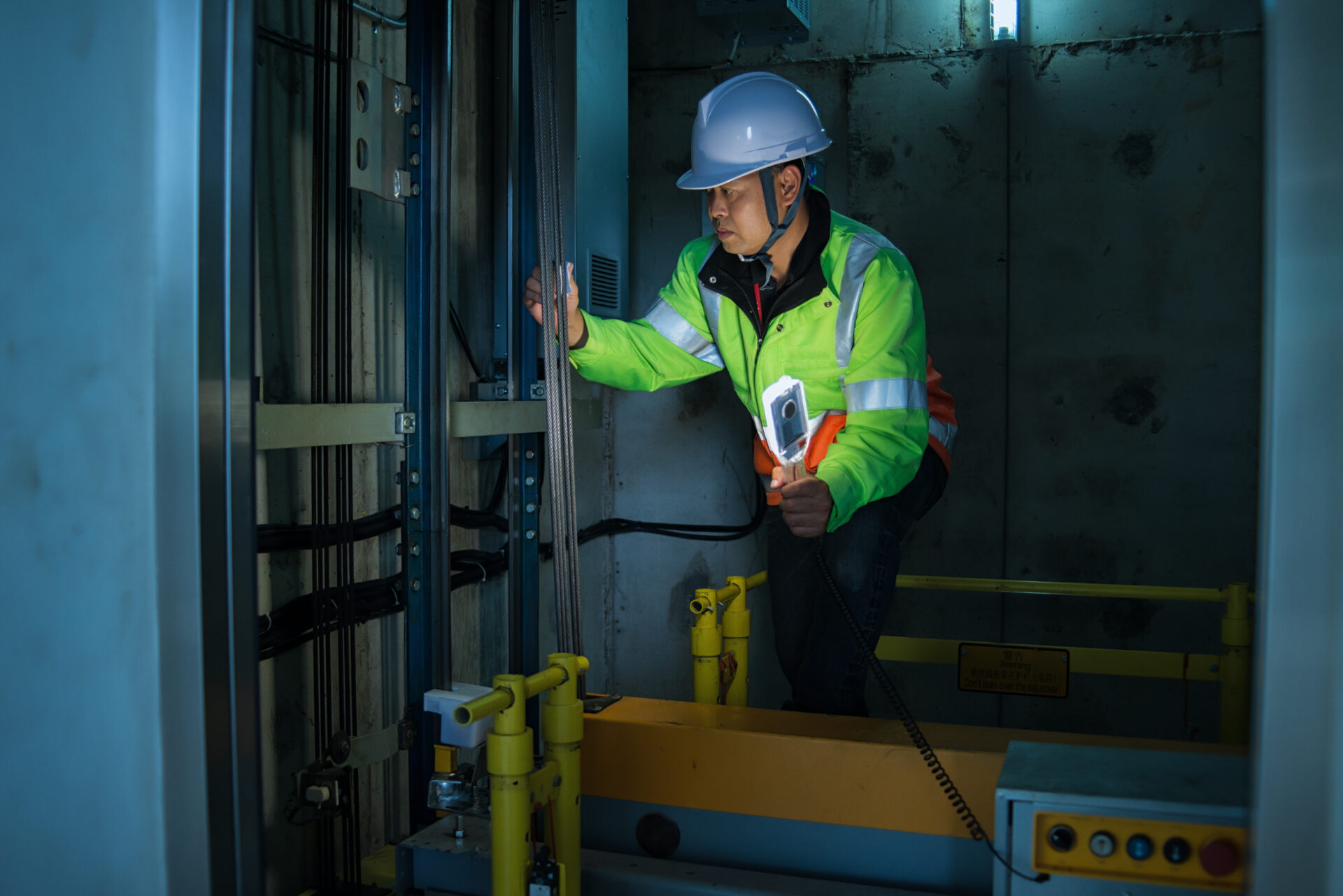
Keep Your Elevators ADA-Compliant with Elevated Facility Services
ADA compliance is an ongoing commitment to safety, accessibility and reliability for every passenger who uses your building. Staying ahead means knowing your elevators meet today’s standards and being prepared for future updates.
With nearly 300 state-licensed technicians, the highest ratio of safety leaders and remote engineers in the industry and a commitment to continuous training, Elevated Facility Services delivers unmatched expertise and reliability.
Don’t wait for an inspection to uncover issues. Contact us today to ensure your elevators are compliant, reliable and ready to serve every passenger.