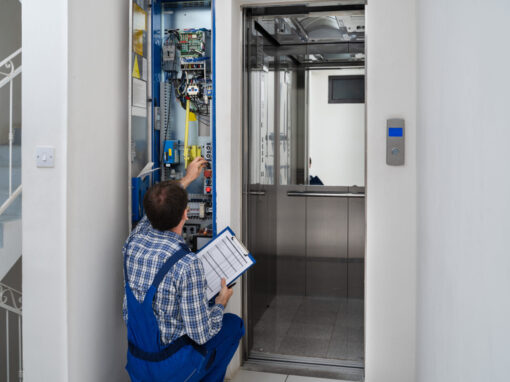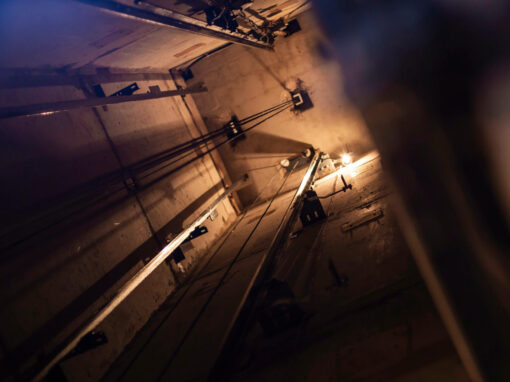
Elevators are among the most critical systems in any building, responsible for moving people safely and efficiently every day. But like any mechanical system, they need consistent service to perform at their best. Neglecting maintenance doesn’t just shorten equipment lifespan; it increases safety risks, creates unexpected downtime and leads to costly emergency repairs.
Proactive elevator care protects passengers, preserves property value and reduces liability for building owners and managers. By following a few essential best practices, you can keep your systems reliable while avoiding the financial and operational stress of preventable breakdowns.
1. Stick to a Preventive Maintenance Schedule
Preventive maintenance is what keeps elevators safe, efficient and dependable. Skipping or delaying service visits may save money in the short term, but it often leads to costly repairs and extended downtime when small issues escalate into major failures.
A consistent schedule ensures technicians can:
- Inspect moving parts for wear before they fail
- Test safety systems like brakes and alarms on a regular basis
- Replace consumables (like lubrication and lights) on time to avoid unexpected shutdowns
Think of preventive maintenance like routine checkups at the doctor: it’s easier, safer and more cost-effective to catch problems early than to wait for an emergency. Buildings with heavy elevator traffic, such as hospitals or high-rises, especially benefit from a strict schedule because their systems face greater wear and tear.
2. Keep Accurate Service Logs
Elevator systems have thousands of parts, and it’s easy for small details to get lost between visits. That’s where service logs make a real difference. A well-maintained log creates a paper trail of inspections, repairs, upgrades and even rider complaints that can help identify patterns over time.
Accurate logs make troubleshooting faster, help technicians anticipate recurring problems and provide building owners with proof of compliance during audits or inspections. For example, if a regulator asks about your elevator’s inspection history, you’ll have everything documented in one place. Even more importantly, logs highlight patterns: if the same component fails repeatedly, it may be time to consider an upgrade instead of repeated repairs.
3. Train On-Site Staff to Spot Early Signs
Your building staff don’t need to be elevator technicians, but they’re often the first to notice when something feels off. Training them to recognize warning signs can make all the difference. Common red flags include:
- Unusual noises like grinding, clanking or squealing
- Jerky or uneven cab movements between floors
- Doors that open or close more slowly than usual
- Buttons that stick, lag or fail to light up properly
- Longer-than-normal wait times for car arrival
Encouraging staff to report these issues right away allows professional technicians to address problems before they escalate into costly breakdowns or safety hazards.
4. Prioritize Safety Systems
Elevator safety features are the backbone of passenger protection. Emergency brakes, alarms, lights and communication systems must all work flawlessly to meet safety codes and provide peace of mind for riders.
Regular testing of these systems ensures that, in the event of an emergency, your elevators perform as intended. Skipping these checks can leave you vulnerable to compliance violations and, more importantly, put passengers at risk. By making safety systems a top priority, you protect both building occupants and your reputation as a responsible property manager.
5. Stay Up to Date With Codes and Regulations
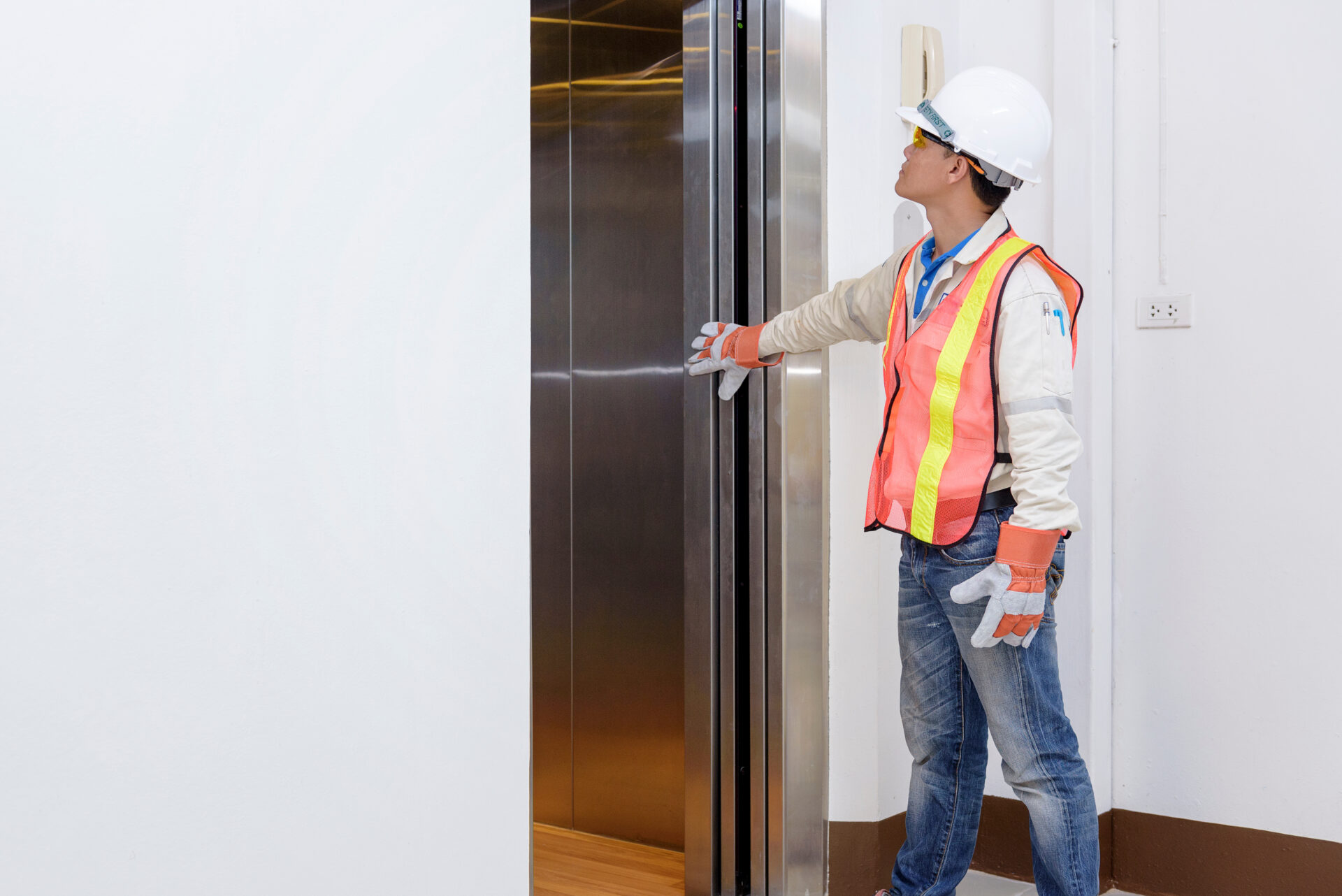
Elevator codes are updated regularly to improve safety and accessibility. Some of the most important ones to know include:
- Americans with Disabilities Act (ADA): The ADA sets standards to ensure elevators are usable by people with mobility, vision or hearing impairments.
- ASME A17.1 Safety Code: This elevator safety code establishes technical requirements for how elevators are designed, installed and maintained.
- Local Authorities Having Jurisdiction (AHJs): AHJs enforce region-specific codes, which may differ from national standards.
Falling behind on these updates can leave riders unsafe and create unexpected deficiencies during inspections. Working with a provider like Elevated Facility Services, which actively tracks evolving codes and updates your systems accordingly, helps you stay compliant and confident. Even something as simple as an annual compliance review, including checks of labels, signaling systems, door timing, car controls and documentation, can prevent costly violations and keep your elevators operating without interruption.
6. Budget for Maintenance and Repairs
Cutting corners on elevator upkeep often leads to bigger bills later. A small issue left unaddressed, like a worn cable, failing door sensor or leaking hydraulic fluid, can quickly escalate into a major repair that takes the elevator out of service for days and drains your budget.
The best way to avoid those surprises is to plan for maintenance costs up front. Our team at Elevated can put together a capital planner for your building, to give you predictable expenses rather than emergency invoices that can run into the thousands.
When budgeting, consider:
- Age of your equipment: Older systems may require more frequent parts replacement
- Traffic levels: High-use elevators wear faster, increasing the need for service
- Service contract type: Full-service contracts can help flatten costs over time, while partial contracts may leave you exposed to bigger repair bills
By proactively allocating funds, you protect your operating budget, minimize downtime, reduce tenant complaints and extend the lifespan of your equipment.
7. Consider Modernization for Aging Elevators
Routine maintenance can extend the life of your elevators, but after a certain point, it’s not enough to keep them reliable. As equipment ages, parts become harder to source, technology falls behind current standards and downtime becomes more frequent. Modernization offers a solution by replacing outdated systems with modern components that improve safety, performance and energy efficiency.
Beyond compliance, passengers notice the difference in smoother rides, faster response times and quieter operation. Building owners benefit from lower energy costs and fewer unexpected breakdowns, while also extending the service life of their investment. If your elevator is approaching 20 years old, frequently out of service or struggling to meet current accessibility requirements, modernization is often the most effective way to ensure long-term reliability.
The Role of Professional Service Providers
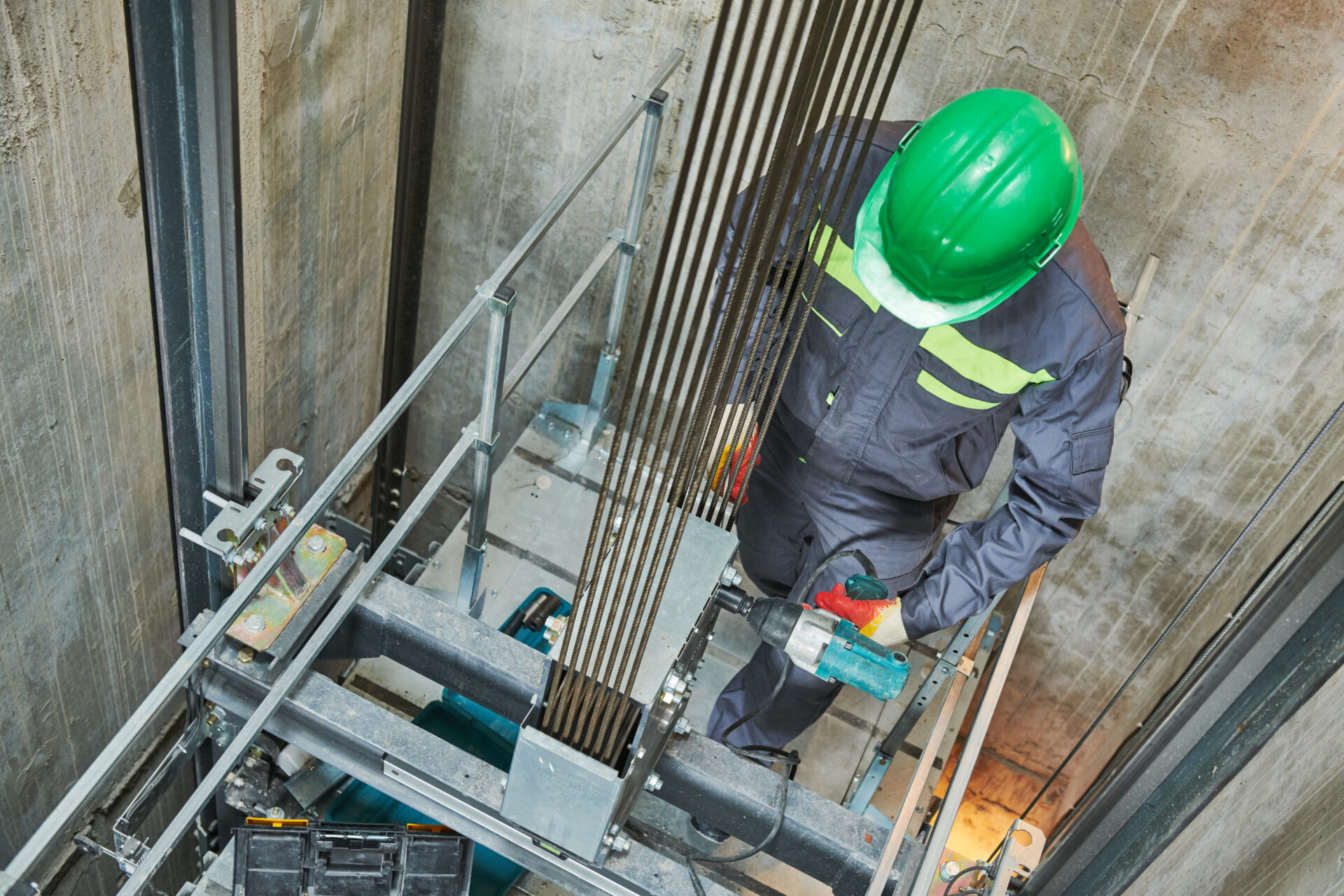
Elevator maintenance involves thousands of moving parts, safety systems and compliance requirements. Licensed technicians with the right training and certifications are essential because they can detect subtle issues before they escalate into major failures, while also ensuring inspections and repairs align with the latest safety standards. Partnering with a qualified provider means benefiting from continuous training, advanced diagnostics and strong safety leadership that go beyond routine box-checking.
A reliable service partner also brings accountability and peace of mind through service contracts and 24/7 availability. Instead of scrambling during an outage, you’ll have predictable coverage, faster emergency response and a team already familiar with your equipment history. The result is safer, more dependable elevators and fewer unexpected costs or disruptions for your building.
Stay Ahead of Repairs With a Maintenance Plan That Works
Proper elevator maintenance protects passengers, extends equipment life and keeps your building running without costly surprises. By staying proactive with inspections, recordkeeping, staff training and modernization planning, you reduce risks while ensuring dependable service.
At Elevated Facility Services, we make this simple with expert technicians, 24/7 support and tailored service plans. Don’t wait until a breakdown disrupts your operations. Contact us today to schedule an assessment and see how proactive maintenance can keep your elevators reliable for years to come.